






Photo: Pixabay


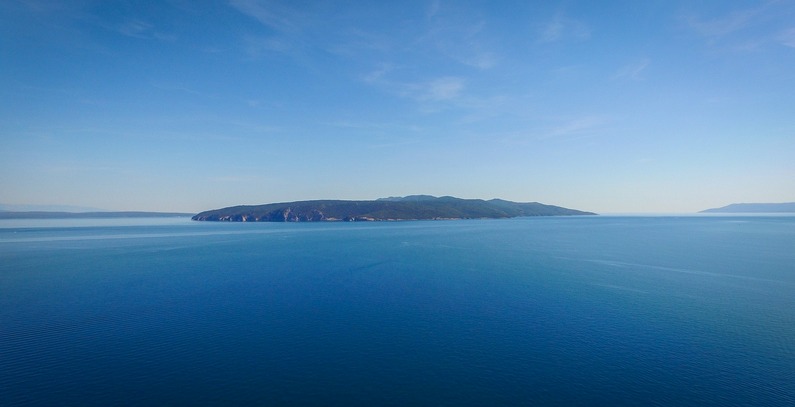
Croatia’s Cres-Lošinj archipelago, including the Cres, Lošinj, Susak, and Ilovik islands, as well as the Sifnos island in Greece and the Arani islands in Ireland, have been selected for the implementation of an energy transition pilot project within the Clean Energy for EU Islands initiative, the office of the Croatian member of the European Parliament Tonino Picula reported.
At the second Clean Energy for EU Islands forum, held on the Spanish Lanzarote island, the European Commission (EC) launched a call for the expression of interest to the EU islands wishing to receive support to plan, prepare or advance their clean energy transition. Tonino Picula attended the forum.
According to the announcement by Picula’s office, even though three island communities have already been highlighted in the pre-qualification phase, all islands must undergo the official procedure. Interested islands, regardless of the number of local municipalities, can apply until January 15, 2019.
In the next 18 months, the European Union will support up to 26 island communities to develop energy transition plans and implement individual projects.
The energy transition will be managed by local communities, while the Secretariat of the Clean Energy for EU Islands initiative is to provide assistance in drafting the Energy Transition Programs for 6 European islands.
The second call, for the remaining 20 islands, is expected in the first quarter of 2019, and will be for technical assistance for individual projects, not necessarily for energy transition programs.
Initial funding for the initiative secured by 3 MPs
The Clean Energy for EU Islands initiative was launched by the EC in May last year.
Tonino Picula and two other MPs from Malta and Sicily have secured the initial financial support for the initiative in the form of a EUR 2 million grant, according to Picula’s office.
The secretariat, the first-ever EU working group designed for islands, officially began its work in June, with the aim of supporting the islands’ energy transition.
The fact that the initiative is producing results is evidenced by the EC announcement of an additional EUR 10 million in funding to be provided under the Horizon 2020 for the call to implement energy transition projects on islands, to be published in the last quarter of 2019.
The selection of the Cres-Lošinj archipelago for the implementation of the energy transition pilot project also proves that the secretariat’s establishment was the right thing to do, said Picula, noting that he was involved in the establishment.
According to Picula, his amendments filed to the European Parliament seeking funding for these projects were aimed at helping small island communities acquire the skills needed to prepare and implement projects that will allow them long-term energy independence and self-sustainability.
Be the first one to comment on this article.