





Photo: Stan Petersen from Pixabay


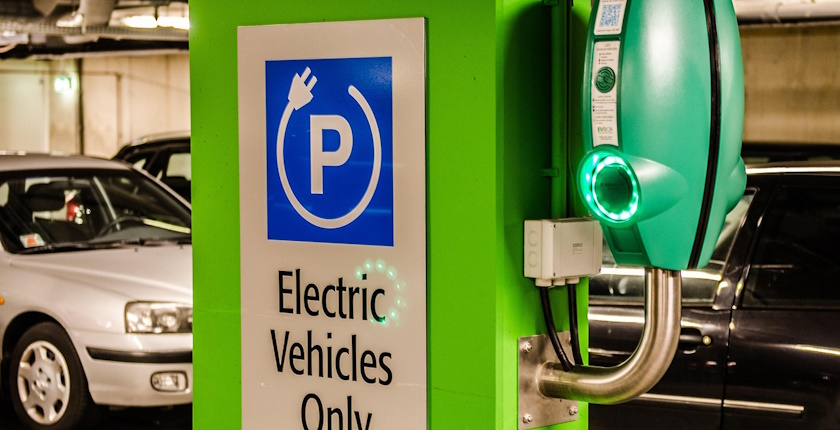
Croatian companies have applied for subsidies to buy three times more electric vehicles of Chinese manufacturer BYD than of US-based Tesla.
The situation in Croatia reflects the global market. Last year, Chinese BYD surpassed Tesla, run by Elon Musk, for the first time. It has maintained the top position in electric vehicle production so far this year as well.
The data from Croatia are based on the results of a public call for subsidies for the purchase of new alternative-fuel vehicles. The program is for legal entities and is conducted by the Environmental Protection and Energy Efficiency Fund (FZOEU).
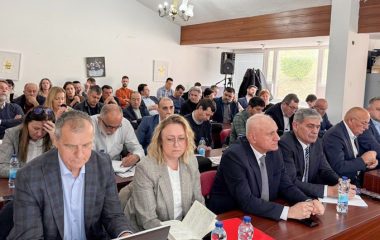
By the end of the application deadline, co-financing was requested for 2,860 vehicles, of which 78% for passenger vehicles. The data was announced at a meeting of the Motor Vehicle Trade Association, part of the Croatian Chamber of Economy (HGK).
Applications for the purchase of 2,860 units have been submitted
Aleksandar Halavanja, head of the Department for Systematic Energy Management at FZOEU, said most applications (78%) were for passenger vehicles with up to eight seats. Applications for cargo vehicles with a maximum permissible mass of 3.5 tons are second, with 12%, while mopeds have an 8% share.
BYD ranks first among brands, with 31.9%, while Tesla accounts for 10%. They are trailed by Hyundai (5.4%), Škoda (5%), Renault (4.8%), BMW (3.6%), Opel and Volkswagen (3%), Toyota (2.8%), and Peugeot (2.4%), according to Halavanja.
The fund provides subsidies of up to EUR 9,000 apiece for passenger and light commercial vehicles, but no more than 40% of the vehicle’s price. An additional condition is that the price of the EV must not exceed EUR 50,000 excluding VAT.
Miletić: Subsidies per vehicle should be reduced
Up to EUR 90,000 is for vehicles with maximum permissible mass of 3.5 tons, but no more than 40% of the vehicle’s value. Moped buyers can receive up to EUR 2,500 each.
FZOEU plans to evaluate all applications by the end of the year. If all funds are not allocated, the remainder from the EUR 21.2 million would be switched to another round until it is exhausted.
Tomislav Miletić, President of HGK’s Motor Vehicle Trade Association, underlined that its members demanded a higher amount for the co-financing of energy-efficient vehicles.
If that is not possible, the subsidy per vehicle should be reduced so that as many interested citizens and companies as possible can get funding, he stressed.

Be the first one to comment on this article.