







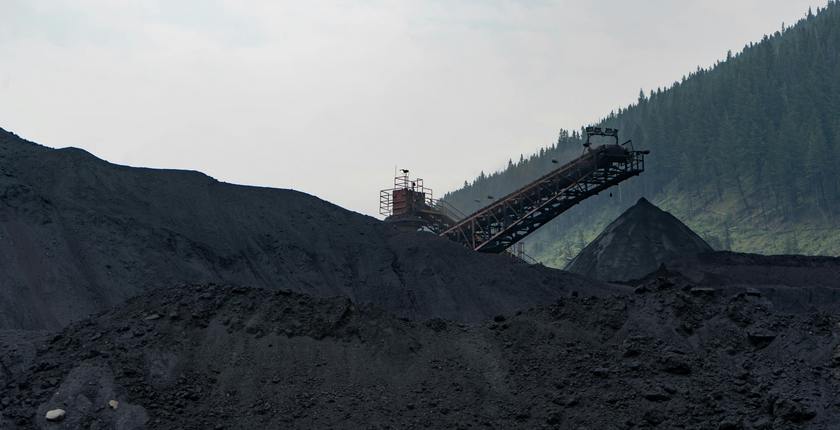
Photo: Pexels


Workers in the coal mining and thermal power sectors across the region are facing challenges, including pay cuts and other austerity measures, which risk disrupting coal supplies and limiting electricity production. Miners at Romania’s state-owned coal mining and power plant complex CE Oltenia have staged protests, including hunger strikes, over plans to scrap meal vouchers and cut wages, while a key thermal power plant in Bosnia and Herzegovina remains offline due to coal shortages.
In a meeting with union representatives of Complexul Energetic Oltenia (CE Oltenia), Romanian Prime Minister Ilie Bolojan said the company can only be exempted from austerity measures if it increases efficiency and reduces the amount of state aid it receives, adding that a memorandum clarifying the matter will be discussed by the government next week, Profit.ro reported.
Minister of Energy Bogdan Ivan, who was present at the meeting, recalled that Romania had renegotiated with the European Commission the closing date for several coal-fired power plants, pushing it back from December 31, 2025.
CE Oltenia employees have held protests at several coal mines and one thermal power plant, while 13 workers have gone on hunger strike over the possible abolishment of meal vouchers and salary cuts.
Protests could reduce the already depleted coal supplies for Romania’s key thermal power plants
They warned that in the absence of a favorable decision, the protest would continue and could expand to other parts of CE Oltenia, threatening to impact the already depleted coal reserves that supply the Rovinari and Turceni thermal power plants, core components of the country’s energy system.
Workers in the coal sector are struggling elsewhere in the region as well. In Bosnia and Herzegovina, thermal power plant Ugljevik, which is struggling with coal shortages and is currently out of operation, has just reduced the salaries of all employees, according to reports.
In late January, the Government of the Republic of Srpska, one of the two political entities of BiH, reached an agreement to transfer the concession on a part of the Ugljevik coal deposit from Comsar Energy RS, a firm majority owned by Russian billionaire Rashid Sardarov, to RiTE Ugljevik, the operator of the Ugljevik coal mining and power plant complex.
Bosnia and Herzegovina’s coal-fired power plant Ugljevik is currently offline
The move will unblock the deposit that contains an estimated 50 million tons of coal, enough to supply the power plant for 25 years. The reserves were intended for the planned thermal power plant Ugljevik 3, which the Russian concessionaire failed to build, according to local media.
Last September, miners at the Zenica coal mine, which is slated for shutdown, held a five-day hunger strike over unpaid wages.
In 2025, electricity imports into Bosnia and Herzegovina reached a record EUR 321.6 million, twice as much as the previous year, thanks in part to production halts caused by coal shortages.

Be the first one to comment on this article.