





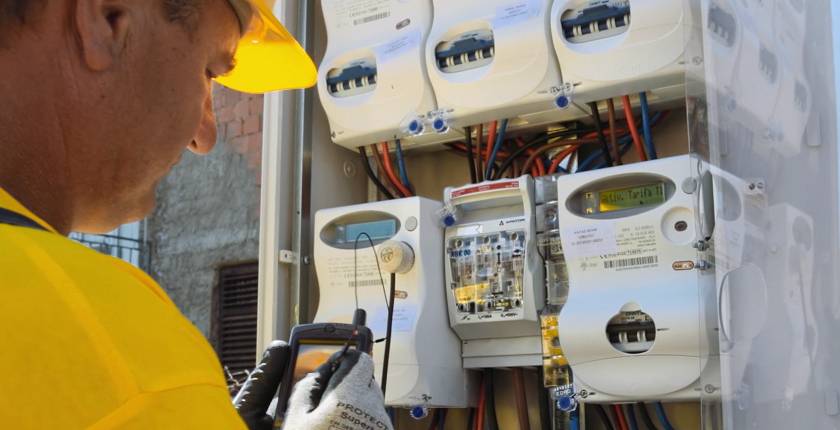


The Montenegrin distribution system operator (DSO), Crnogorski elektrodistributivni sistem (CEDIS), has started the installation of 20,000 smart meters as part of a project to modernize electricity consumption metering and enable remote consumption management.
Since 2011, within its advanced metering management (AMM) project, worth EUR 100 million, CEDIS installed 338,000 meters and integrated them with the remote measurement and management system. It covered 81.5% of consumers on the distribution grid, which is more than most European countries.
With an additional 20,000 meters, smart meter coverage will reach almost 97%, given that CEDIS supplies 370,000 consumers. At the end of 2021, the average in the European Union was around 50%. Spain, Finland, and Sweden led the way with 100% coverage.
The AMM project was financed from a loan secured by the European Bank for Reconstruction and Development (EBRD), and partly from the company’s own funds.
The consortium Mezon-Regiocom will install 20,000 smart meters
The company completed the third phase in December 2020. CEDIS has signed the contract for the expansion of the third phase with the Mezon-Regiocom consortium.
In parallel, CEDIS said it would reconstruct the low-voltage network, the company said.
The third phase will include the reconstruction of measuring points and grid upgrades to support the new technology for remote consumption metering.
The basis of a smart grid
With the new system of remote metering, accuracy has been significantly increased, and the possibility of error has been reduced to a minimum, according to CEDIS.
The new meters enable monitoring of the voltage level of the grid, while consumers have access to real-time monitoring of consumption.
The project transformed the distribution grid into a modern and more energy-efficient network, CEDIS said.



Be the first one to comment on this article.