







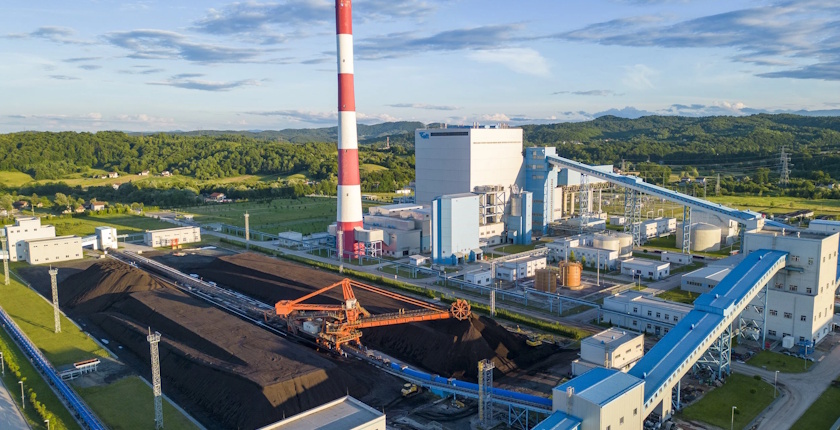
Photo: Elektrane Stanari


The plan for the Stanari coal power plant, owned by EFT, is to operate until 2050, but given the pressures faced by electricity producers from fossil fuels, no one can predict what will happen in the future, according to Aleksandar Milić, CEO of Elektrane Stanari.
In the podcast of Capital TV, based in Bosnia and Herzegovina, Aleksandar Milić spoke about the operations of the only private coal-fired power plant in the country and the entire Western Balkans, and the energy situation in the region.
Elektrane Stanari consists of a coal mine and a 300 MW thermal power plant, which produces about 2 TWh annually. Employing 1,200 workers, last year it achieved a profit of EUR 40 million.
“The plans are for the plant to operate until 2050, more or less. This is in line with our coal reserves of 55-60 million tons. Now, how things will look in the future, no one can predict. Again, we are talking about all those pressures faced by producers of electricity from fossil fuels. Whether it will be possible to produce electricity in 2040,” he underscored.
The CBAM tax on electricity is now around EUR 80 per MWh
Milić recalled that the facility has predominantly exported electricity, explaining that the foreign market is much larger and that the placement was much easier and with better demand.
However, as of this year, the sales strategy is changing slightly due to new rules in the European Union, namely the introduction of the CBAM tax.
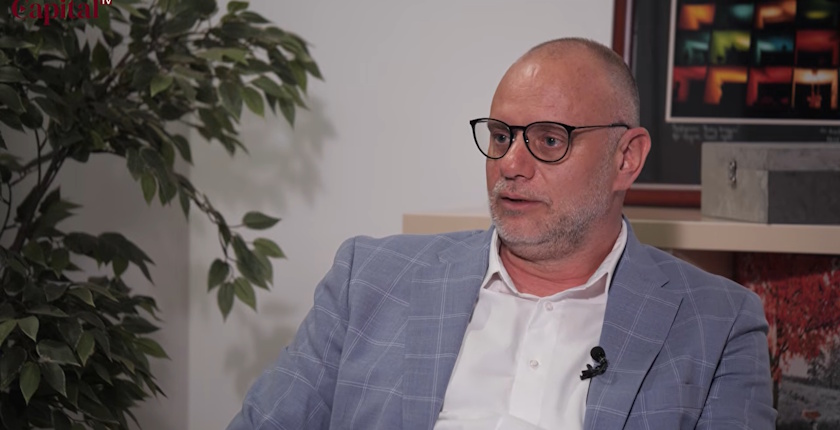
He stressed that this tax is now at a level of about EUR 80 per MWh, arguing that it is absolutely unsustainable for anyone. The price of electricity on European exchanges is now around EUR 100 per MWh, he added.
“If you are going to sell one megawatt-hour for EUR 100, you have to pay an EUR 80 tax, meaning you earned EUR 20, which is impossible,” Milić underscored.
Exports have been replaced by sales on the domestic market
He revealed that the surplus electricity the company used to export is now sold on the domestic market.
The CEO believes that the pressure on energy production from fossil fuels is implemented too fast. It is clear to everyone, in his view, that coal will disappear one day and that it has to be replaced by other sources.
That it will be nuclear or renewable energy, with some types of storage, is clear and not questionable at all, he claimed.
“The very pace of the transition from fossils to renewables is too ambitious in Europe and brings nothing good. Of course it is good when renewable energy plants are built, but it is not good that plants that should still provide some system stability, and affordability of the energy, are being shut down too quickly. Because as you shut down coal plants, energy becomes more expensive,” Milić concluded.

Be the first one to comment on this article.