

Renewables

FBiH allocates EUR 8.4 million in renewables, cogeneration subsidies in 2018

FBiH-allocates-EUR-8.4-million-in-renewables,-cogeneration-subsidies-in-2018

Photo: Government of FBiH

Published

May 31, 2018

Comments

comments icon

0

Share

Published:

May 31, 2018

Comments:

comments icon

0

Share

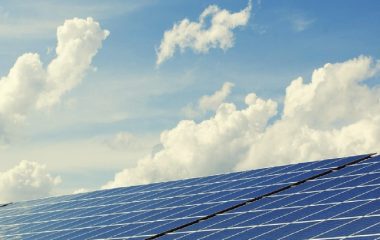
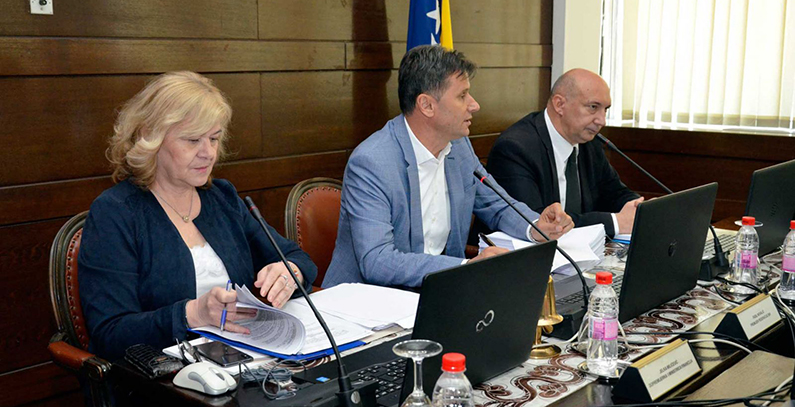
The government of the Federation of Bosnia and Herzegovina (FBiH) has adopted a decision allocating a total of some EUR 8.4 million (BAM 16.4 million) in subsidies for electricity production from renewable energy sources and cogeneration in 2018.

The subsidies for electricity production from renewables and cogeneration stand at BAM 0.002128 per kWh, not including VAT.

The subsidies are financed from fees billed to end consumers of electricity in the Bosniak-Croat entity of Bosnia and Herzegovina.
Comments (0)

Be the first one to comment on this article.

Enter Your Comment
Please wait... Please fill in the required fields. There seems to be an error, please refresh the page and try again. Your comment has been sent.

Related Articles

AI and Energy: the dynamic duo shaping the power grid

AI and Energy: the dynamic duo shaping the power grid

15 December 2025 - How artificial intelligence is reshaping power grids, enabling renewable energy integration while raising regulatory, ethical and sustainability challenges.

nova bess romania battery

Romania’s biggest battery system put into operation

13 December 2025 - Nova Power & Gas has commissioned a battery energy storage system with an operating power of 200 MW and a capacity of 400 MWh

north macedonia power line dalekovod kodar elnos mepso croatia serbia bih

Firms from Croatia, BiH, Serbia to build power line in North Macedonia

12 December 2025 - The contracted works include the construction of a 400 kV power line from the 400/110 kV Bitola 2 substation to the border with Albania 

slovenia climate vulnerability risks energy assessment

Slovenia draws up first climate vulnerability, risks assessment for energy sector

12 December 2025 - The assessment was prepared by the Ministry of the Environment, Climate and Energy, in cooperation with the Jožef Stefan Institute